



All concerned keeping the fingers crossed
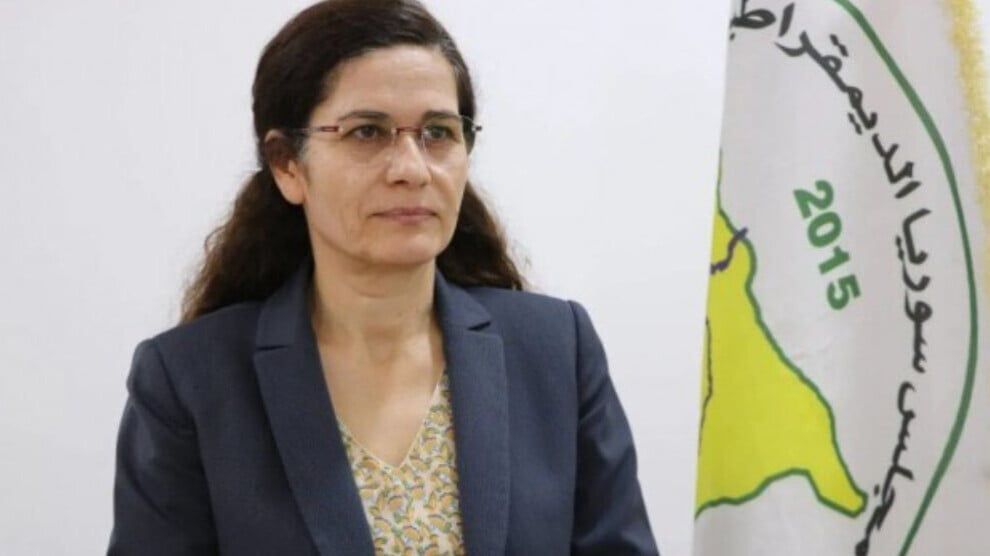
The Syrian government and Kurdish authorities have reached an agreement aimed at preventing further bloodshed and integrating Kurdish-administered regions into Syria’s transitional framework, senior Kurdish official Ilham Ahmed said on Friday.
Speaking to journalists via Zoom, Ahmed said the agreement between the Syrian Democratic Forces (SDF) and Damascus establishes an open-ended ceasefire, with frontline forces to withdraw to designated positions to create distance between SDF units and government forces. Limited, region-specific brigades will be deployed in Hasakah and Kobane, with an emphasis on reducing militarisation.
She said the agreement was signed “to prevent bloodshed and massacres against Kurds,” calling it the outcome of sustained public resistance.
Under the arrangement, Kurdish internal security forces (Asayish) will continue to function as regional forces, though some personnel may later be formally linked to Syria’s Interior Ministry after administrative mechanisms are finalised. Defence forces are to be integrated into the Syrian Transitional Government, while retaining their internal command structures and institutional identities.
A major political concession in the agreement is the formal acceptance of mother-tongue education. Kurdish-language instruction will be officially recognised, along with high schools, universities and diplomas issued by the Autonomous Administration. A decree on education is expected, with further details to be settled through dialogue.
On governance, Kurdish authorities will have a role in determining the governor of Hasakah, while border security and crossings will be managed locally, even if restructured under state ministries. The Semalka border crossing will be reopened, with existing staff continuing their official duties.
Ahmed described the agreement as marking a transition to a new phase of struggle, noting that political engagement would now move alongside continued mobilisation. Discussions are underway on Kurdish representation within state institutions and the possibility of future elections.
Efforts are also continuing to facilitate the return of displaced people to Sheikh Maqsoud, Ashrafiyah, Shehba, Serêkaniyê and Afrin, areas currently under Turkey’s control. Kurdish authorities favour political negotiations for withdrawals, though they maintain that armed resistance remains an option if required.
International actors are expected to act as guarantors for the agreement, with France and the United States involved in the process. French President Emmanuel Macron has indicated readiness to support the agreement’s implementation.
Ahmed said monitoring mechanisms would be crucial, adding: “Until this agreement is fully implemented, we must remain alert and cautious.”
She confirmed that the Women’s Protection Units (YPJ) will remain within the SDF, and that the success of the agreement will ultimately depend on how effectively its provisions are enforced on the ground.
Key Points of the Agreement
• Open-ended ceasefire agreed to halt fighting and prevent violence in Kurdish-majority areas.
• Redeployment of forces: Frontline units to withdraw to designated positions, creating a buffer between Kurdish and government forces.
• Limited regional militarisation: Three local brigades in Hasakah and one in Kobane; forces to remain region-specific.
• Integration of defence forces into the Syrian Transitional Government while retaining internal command structures.
• Asayish to remain regional internal security forces; administrative linkage with Syria’s Interior Ministry to be phased in later.
• Mother-tongue education recognised: Kurdish-language instruction formally accepted; schools, universities and diplomas to be officially recognised.
• Local governance role: Kurdish authorities to participate in appointment of Hasakah governor and integration of regional institutions.
• Border management to remain local; Semalka crossing to reopen with existing staff continuing official duties.
• Return of displaced persons planned for Sheikh Maqsoud, Ashrafiyah, Shehba, Serêkaniyê and Afrin.
• International guarantors: France, the United States and other countries to support ceasefire monitoring and implementation.
• Women’s Protection Units (YPJ) to remain within SDF, maintaining current organisational structure.
Contentious Points in the Agreement
- Ceasefire enforcement: No clearly defined monitoring or enforcement mechanism has been detailed so far.
- Command and control: While defence forces are to be integrated, ambiguity remains over real authority between regional commanders and Damascus.
- Future of Asayish: Timeline and extent of linkage with Syria’s Interior Ministry remain undefined.
- Turkey factor: No binding commitment on Turkish withdrawal from Afrin and Serêkaniyê, despite Kurdish expectations.
- Role of the United States: Kurdish leaders have expressed dissatisfaction with Washington’s role, raising concerns over sustained US commitment.
- International guarantees: Scope and durability of guarantees by France, the US and others remain unclear.
- Political integration: Mechanism for Kurdish representation in central ministries and future elections has not been finalised.
- Border control: How regional control over crossings will function within state structures is yet to be clarified.
- Risk of spoilers: Presence of armed actors opposed to Kurdish gains could threaten implementation.
- Implementation timeline: No fixed deadlines for key provisions, leaving room for delays and disputes.